Balance grip, protection, pocket comfort, and accessory compatibility without buying more case than you need.
Think about your most likely accident
A phone used at a kitchen counter faces different hazards from a phone clipped to a bicycle bag. Begin with where you handle it and what causes your near misses. If it slips while you lift shopping bags, grip may be the most useful improvement. If it lives with keys and coins, a protected storage pocket deserves attention alongside the case itself.
Fit is more important than a broad family name
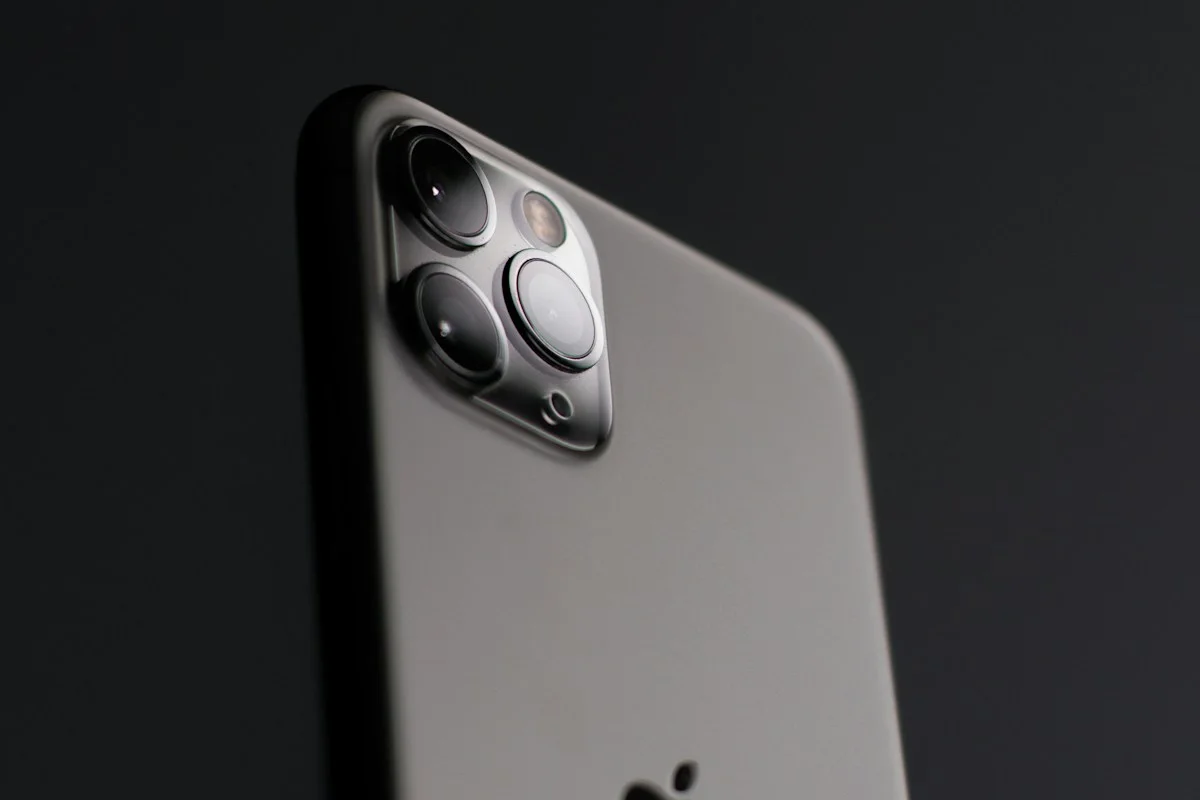
Find the precise model in the phone settings and match it against the case listing. Check camera openings, button positions, and charging-port access. A case that is almost right can make buttons awkward or prevent a connector from seating correctly. Avoid stretching a case across a different model even when it appears close. The intended fit is part of how the accessory is designed to work.
Compare textures with your routine
A smooth shell may slide into a pocket easily but offer less tactile confidence. A grippy texture may feel secure yet catch on fabric. A bulky case can be worthwhile for someone who repeatedly drops a device, but it also changes one-handed use. If possible, hold a sample. Otherwise, use dimensions and return terms to judge the finished phone-and-case combination in your own clothes and bag.
Check the accessories you already use
Your car mount, wireless charger, tripod clamp, and wallet attachment may impose different requirements. Read compatibility information for the entire setup. A metal plate installed for a mount can affect other accessories, and a thick case can exceed a clamp opening. Do not buy four replacements automatically: identify the accessory that matters most and check whether a compatible case lets you keep the rest of the kit.
Treat protection claims with context
Drop claims should be read with their stated conditions, not interpreted as a promise against every possible impact. A case does not remove the need for backups or careful handling near water. Review warranty terms and exclusions before paying a premium. After fitting the case, check for trapped grit, confirm the speakers and microphones are clear, and practice removing it without forcing the phone or its buttons.
Inspect the details that affect every interaction
A case changes more than drop protection. Look at the opening around the charging port and compare it with the plugs you already own. Check whether a wide cable connector, an audio adapter, or a wired microphone can seat fully. Then try the buttons: a stiff power button can become irritating long before a case shows wear. If you often photograph documents on a table, notice whether the camera surround causes excessive rocking. These checks take little time and can reveal a mismatch that product photographs hide.
Think through a typical outing. Someone who places a phone on rough outdoor tables may value coverage around exposed edges. Someone who carries it in close-fitting clothing may care more about pocket friction and lint collection. A wrist strap can be useful for a particular carrying habit, but only if the case has an attachment designed for that purpose. Do not improvise by trapping an attachment where it prevents a secure fit. Select the feature because you will use it, rather than because it adds another bullet to the listing.
For an online purchase, verify the complete handset model against the case compatibility list, including any generation or size suffix. Read how the seller handles an incorrectly fitting item, and keep the packaging while trying charging and mounts. If the case includes a wallet or folding stand, test that configuration as well as the bare case. Extra layers can change how it fits in a mount or on a charging surface. Once fitted, remove it periodically according to the maker's instructions to inspect trapped grit and check that the corners still hold securely.
Questions to settle before you order
Is the thickest case always the right choice? Extra bulk can make handling harder for some people. Choose enough protection for your routine while preserving a grip you can use confidently.
Should I buy a clear case? Transparency is an aesthetic choice. Read care guidance and material information, then decide whether changes in appearance would bother you over the intended ownership period.
Do I still need a screen protector? Decide separately based on your bag, work environment, and tolerance for scratches. Check compatibility between the protector edge and the case lip.
Explore the options
Compare the exact model, included accessories, return policy, and current price before buying. These links open official brand websites.
iPhone model reference
Confirm the exact phone name before ordering a fitted case.
Tradeoff: Similar-looking phones can have different dimensions and camera layouts.
Explore iPhone model reference ↗Galaxy model reference
Identify the correct Galaxy model for case compatibility.
Tradeoff: Do not assume a case fits because the screen size is similar.
Explore Galaxy model reference ↗Sources & further reading
Primary references consulted October 30, 2026. Product ranges and availability can change.
Cover photography illustrates an everyday setting and may show equipment other than the examples discussed. Read our methodology.