Look beyond megapixels when comparing indoor photos, moving subjects, travel framing, and video.
Begin with your last twenty photographs
Open your recent camera roll and identify the recurring subjects. If most pictures are pets in a dim living room, a distant landmark example tells you little about your priority. If you photograph food, receipts, and occasional landscapes, a complicated zoom system may be unnecessary. Build a short list of situations first, then evaluate camera features against those situations instead of accumulating features for their own sake.
Moving subjects deserve special attention
Children and animals do not pause politely for a camera comparison. When evaluating examples, look for faces and hands that move, not just a static shelf. Ask whether the photography mode requires your subject to remain still. Try the camera in a store where permitted, checking how quickly you can open it and capture a moment. Ease of access matters when the opportunity lasts only a second.
Think in framing choices rather than lens counts
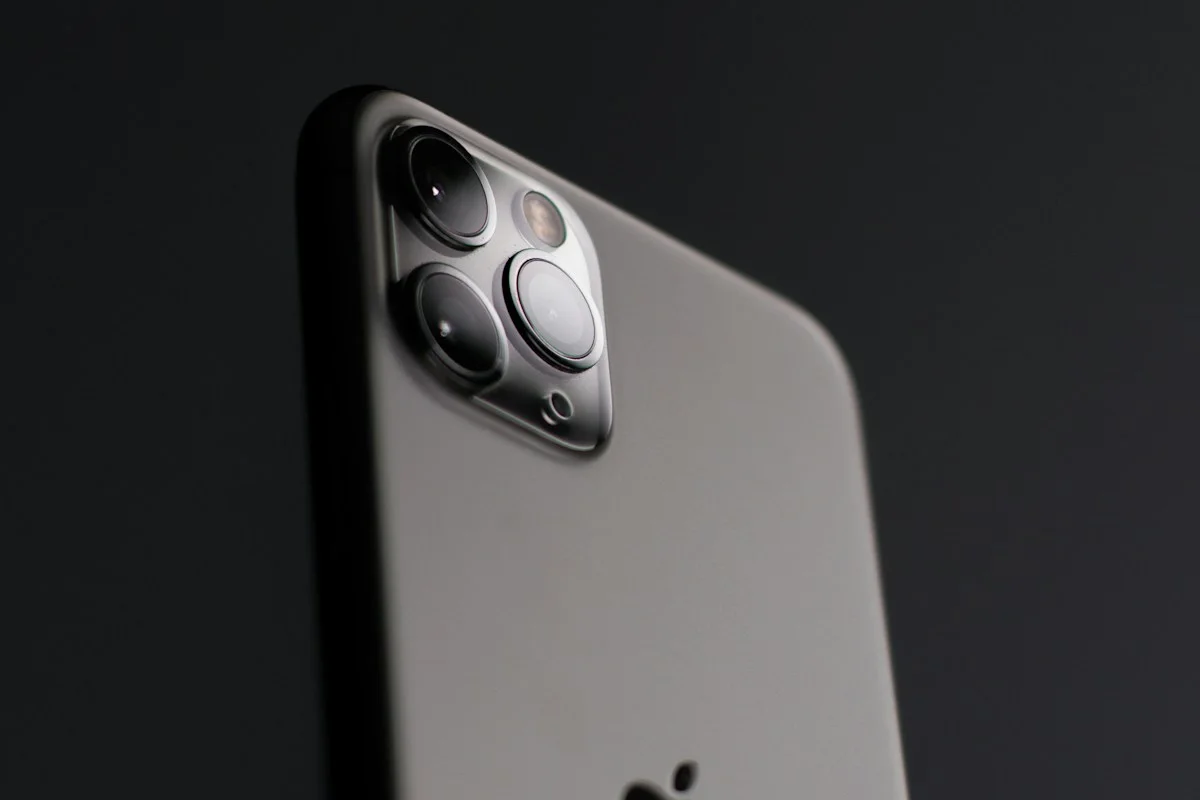
A wider view can help in a small room; a tighter view can help isolate a distant subject. Read what the particular model offers and how those options are described. Do not assume every zoom position represents a separate optical camera. More choices can be useful, but only when they match photographs you regularly take. A camera interface you understand is more valuable than a feature you never find.
Video changes the whole buying calculation
Long clips require storage, a comfortable grip, and a practical way to share or edit files. Consider whether you record school events, short social clips, or conversations at a desk. Check compatibility with the microphone or tripod you already own. A larger phone may be harder to hold steadily for a long session, even when its specifications look attractive. Include the accessory and storage costs in your budget.
Make a shortlist and inspect relevant examples
Compare the same kind of scene across the phones you are considering. Look at ordinary output rather than only heavily edited promotional photographs. Notice skin tones, subject detail, and whether the result fits your preference. Keep expectations realistic: lighting, distance, and motion still affect a picture. Before replacing a capable phone, clean the lens and learn the camera shortcuts; those steps can address surprisingly common frustrations.
Compare pictures as memories rather than demonstrations
Create a small evaluation list from photographs you actually missed: a child moving across a dim room, a pet against a bright window, or a group portrait in which someone stood near the edge. For each shortlisted phone, seek examples of that particular situation and note the camera mode used. An impressive landscape captured in ideal light does not answer a question about indoor movement. Likewise, an edited promotional picture says less about the automatic result you will get when you have seconds to respond.
Consider the work after pressing the shutter. Do you regularly crop pictures, print albums, or send short clips to relatives who use different devices? Compare how easily you can select, share, and retrieve the result. If a feature depends on an app or particular service, check whether the people receiving your files can use it. A camera that produces a distinctive format may fit a deliberate editing workflow, while a straightforward default mode may serve a busy household better. Decide how much intervention you genuinely want to perform.
During a permitted hands-on comparison, photograph a stationary object with fine text, a person who agrees to participate, and a scene containing both light and shadow. Review the images at similar display sizes rather than judging one phone at maximum brightness and another under different conditions. Examine whether faces look natural to you and whether important details remain usable. Do not equate a more dramatic color treatment with greater accuracy. If your current phone already handles your common scenes well, improved framing, cleaner lenses, or better available light may offer more value than replacing the handset for camera marketing alone.
Questions to settle before you order
Does a larger megapixel number guarantee a better camera? No single specification answers the buying question. Compare the overall result in the scenes you care about and the ease of getting that result.
Should I pay for stronger zoom? It is easier to justify for repeated distant subjects than for occasional curiosity. Consider how often you crop today and whether those photos are important to you.
Can accessories improve the experience? A small support or suitable microphone can help with a defined video task. Buy accessories after identifying the problem rather than assembling a kit around marketing photographs.
Explore the options
Compare the exact model, included accessories, return policy, and current price before buying. These links open official brand websites.
iPhone camera comparisons
Use the manufacturer comparison tools to identify camera features by model.
Tradeoff: Specifications do not predict every real-world photo outcome.
Explore iPhone camera comparisons ↗Galaxy camera options
Explore camera configurations across the range before building a shortlist.
Tradeoff: Features can differ between models with similar names.
Explore Galaxy camera options ↗Sources & further reading
Primary references consulted October 30, 2026. Product ranges and availability can change.
Cover photography illustrates an everyday setting and may show equipment other than the examples discussed. Read our methodology.