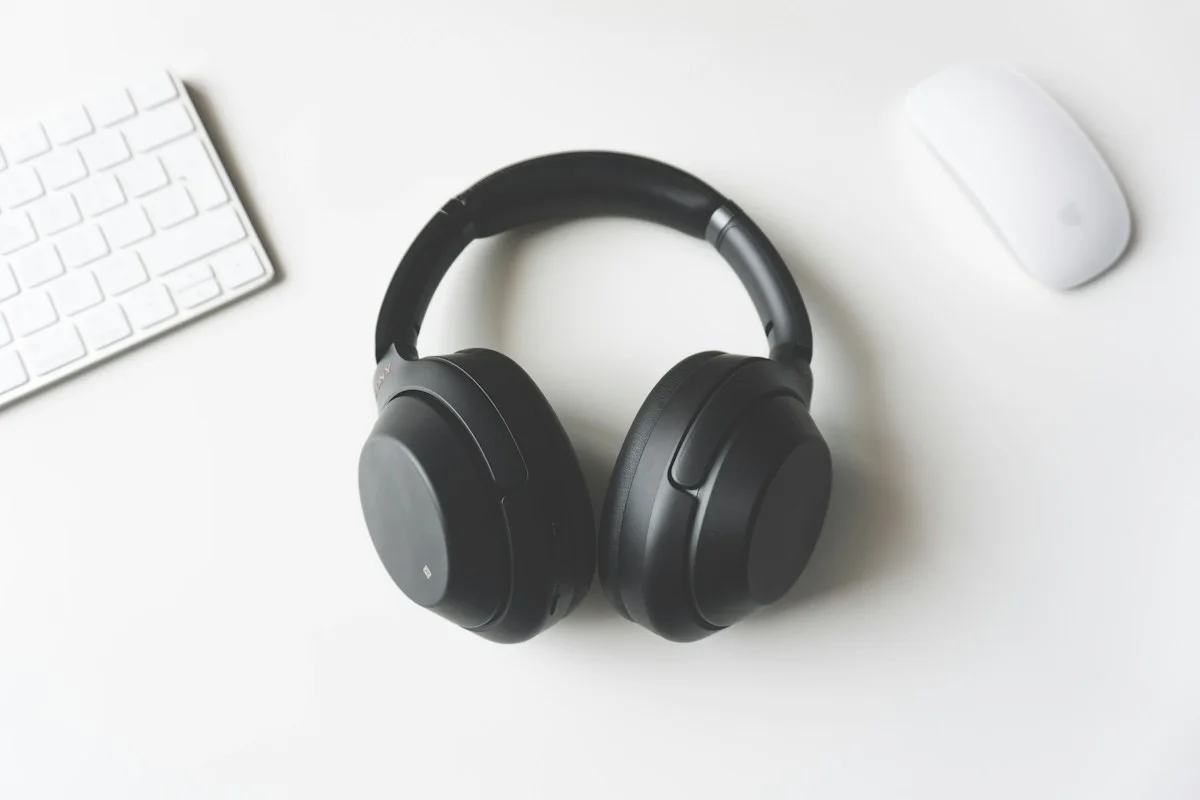

Find a speaker that suits a kitchen, desk, or shared living space without overwhelming the room.
Define the room before the speaker
In a small apartment, a speaker often moves from a kitchen counter to a desk and then to a bedside shelf. That is a different job from entertaining a large garden party. Measure the places where it will actually sit and decide whether you want background music, podcasts, or focused listening. A compact shape that leaves preparation space in the kitchen can be more useful than a larger enclosure. Think about neighbors and quiet evening use before treating maximum loudness as the main reason to buy.
Check listening at an ordinary level
A product demonstration played loudly may not tell you whether spoken voices remain easy to follow at breakfast. If possible, listen at a comfortable level with material you recognize. Consider whether the controls offer small enough adjustments for a quiet room. Also listen for startup sounds if you share the home with a light sleeper. These details are not always obvious in specifications, so an appropriate return policy matters. Buy for the level you actually use most days instead of an impressive demonstration you would never repeat at home.
Decide how much portability you need
A handle or small carrying loop can help when moving between rooms, but it does not automatically make a speaker pleasant to carry in a shoulder bag. Check weight, dimensions, and whether the connector is protected during transport. If the speaker will remain on one shelf, a larger stationary option might be reasonable. If it regularly travels to a park, portability becomes more important. Write down the frequency of those outings. One hypothetical picnic should not dictate the shape of an item that spends nearly every day on your kitchen counter.
Read connection details carefully
Bluetooth playback from a phone is a different workflow from a speaker that streams over a home network. Check which method you need and whether the model offers it. If you want several speakers together, verify the exact pairing system and supported generations; a matching brand name alone does not establish compatibility. Consider who controls playback when two people share the apartment. Simple reconnection to the right phone may matter more than an elaborate app. Confirm whether a wired input exists if it is part of your intended setup.
Treat water protection as a specification
Kitchen splashes and occasional outdoor use may justify looking at water-resistance information, but read the precise model’s instructions. A rating has defined conditions and does not mean unlimited protection from hot water, cooking grease, soap, or every accidental spill. Keep charging connections dry and follow the manufacturer’s care advice. A water-resistant speaker still deserves a sensible position away from the sink edge. If you only use it on a dry desk, avoid paying a substantial premium for rugged features that do not solve a real problem.
Make charging fit the room
Choose a location where the charging cable will not hang over a walkway or cooking surface. Read whether the supplied package includes a cable and power adapter, and use an appropriate power source specified by the manufacturer. Battery claims depend on usage, so plan a convenient charging habit rather than comparing only headline hours. If you want the speaker connected to power most of the time, check the maker’s guidance for that arrangement. A tidy, accessible setup is more likely to stay useful than one requiring a furniture shuffle every week.
Choose one useful size and stop there
JBL’s official portable-speaker catalog lets you compare current size classes and specifications. Sony’s audio range can provide an alternative starting point, but verify that you are viewing speakers rather than headphones when following its navigation. Shortlist two products that fit your shelf, budget, and playback method. Include delivery and any required adapter in the total. During the return window, try breakfast volume, a spoken podcast, and moving the speaker between rooms. The successful purchase is the one that becomes part of your routine without cluttering the apartment.
Arrange a considerate shared-space trial
Ask another person in the apartment whether your normal listening level carries into the room where they work or sleep. Move the speaker away from shared surfaces if needed and compare a second location before assuming a larger purchase will improve things. A clear arrangement about when music plays can matter more than a technical feature. If the room is shared most of the day, headphones may handle focused listening while the speaker covers meals and casual background use. Match the purchase to the household rather than expecting the household to adapt.
Explore the options
Compare the exact model, included accessories, return policy, and current price before buying. These links open official brand websites.
JBL portable speakers
Compare portable sizes and weather-protection specifications.
Tradeoff: Pairing features and protection ratings differ across generations.
Explore JBL portable speakers ↗Sony headphones
Compare fit, controls, and noise-control options across the current range.
Tradeoff: Features vary by model; verify the exact listing before ordering.
Explore Sony headphones ↗Sources & further reading
Primary references consulted October 30, 2026. Product ranges and availability can change.
Cover photography illustrates an everyday setting and may show equipment other than the examples discussed. Read our methodology.