Plan comfortable listening, charging, and seat-screen connections before your next long flight.
Buy for the whole travel day
A long flight starts well before you sit in an aircraft. There may be a train ride, a terminal wait, boarding announcements, and an arrival transfer before the headphones return to their case. Estimate that full stretch and decide when charging is practical. If you travel once a year, it may be better to adapt your existing headphones than buy a premium pair for one journey. Frequent travelers can reasonably give more weight to comfort, durable storage, and predictable controls that work when they are tired.
Separate seat entertainment from phone audio
Your phone’s wireless connection does not prove compatibility with an aircraft seat screen. Airlines and aircraft use different entertainment arrangements, and a route can have equipment changes. Check the airline’s guidance, inspect the headphone’s wired options, and consider a simple compatible cable or adapter where appropriate. If you choose a wireless transmitter, verify how it is powered and follow airline rules. Do not assume a USB socket carries audio; some connections provide power only. Download permitted entertainment in advance so a seat-screen connection is not your only plan.
Prioritize comfort over a dramatic demo
A short noise-cancellation demonstration can make a product feel irresistible, but a pressure point after two hours may matter more. Consider glasses, hair, earrings, and your preferred sitting position. Large earcups can interfere with a neck pillow or feel awkward when leaning against a seat. Earbuds avoid a headband but can create their own pressure. Try a long seated session at home during the return period if allowed. A comfortable fit is individual, so another traveler’s favorite model should be treated as a suggestion rather than a certainty.
Use noise control with realistic expectations
Noise cancellation can help make repetitive travel sound less distracting, but no specification promises a silent cabin in every seat. Fit and the particular noise both affect the experience. Read how to pause or change modes quickly when crew members speak to you. Follow all cabin instructions and keep attention available for announcements. If you find yourself turning playback progressively louder, take a break and reconsider the fit and setting. A quieter-feeling journey should not depend on maintaining a volume that becomes uncomfortable over time.
Check battery and wired behavior
Compare the manufacturer’s battery conditions with your intended settings. The number for playback without noise cancellation may differ from the number you need. For a wired fallback, determine whether audio works when the battery is empty and whether noise-control features require power. These details vary by model and are worth resolving before departure. Bring an appropriate charging cable in an accessible pocket rather than burying it in checked luggage. Observe airline and local rules for power banks and electronic equipment instead of assuming every battery accessory is permitted.
Pack for retrieval and protection
A protective case is useful only if it fits where you need it. Measure the case against the personal item you put under the seat, leaving space for medication and other essentials. Keep small adapters together so they do not fall between seats. When standing up, check the seat pocket and floor for earbuds before collecting your bag. Avoid leaving headphones under heavy luggage or loose in an overhead compartment. Practical packing and a consistent storage routine can prevent more frustration than upgrading one additional audio feature.
Spend according to travel frequency
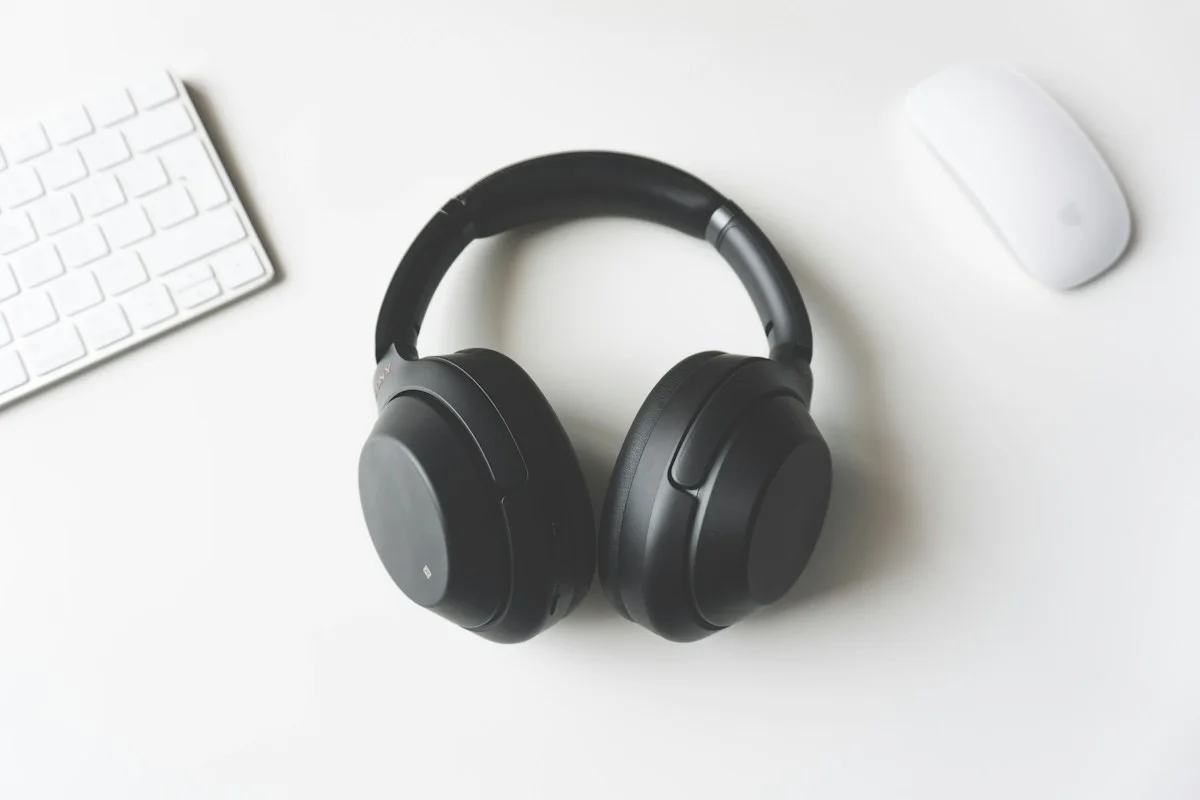
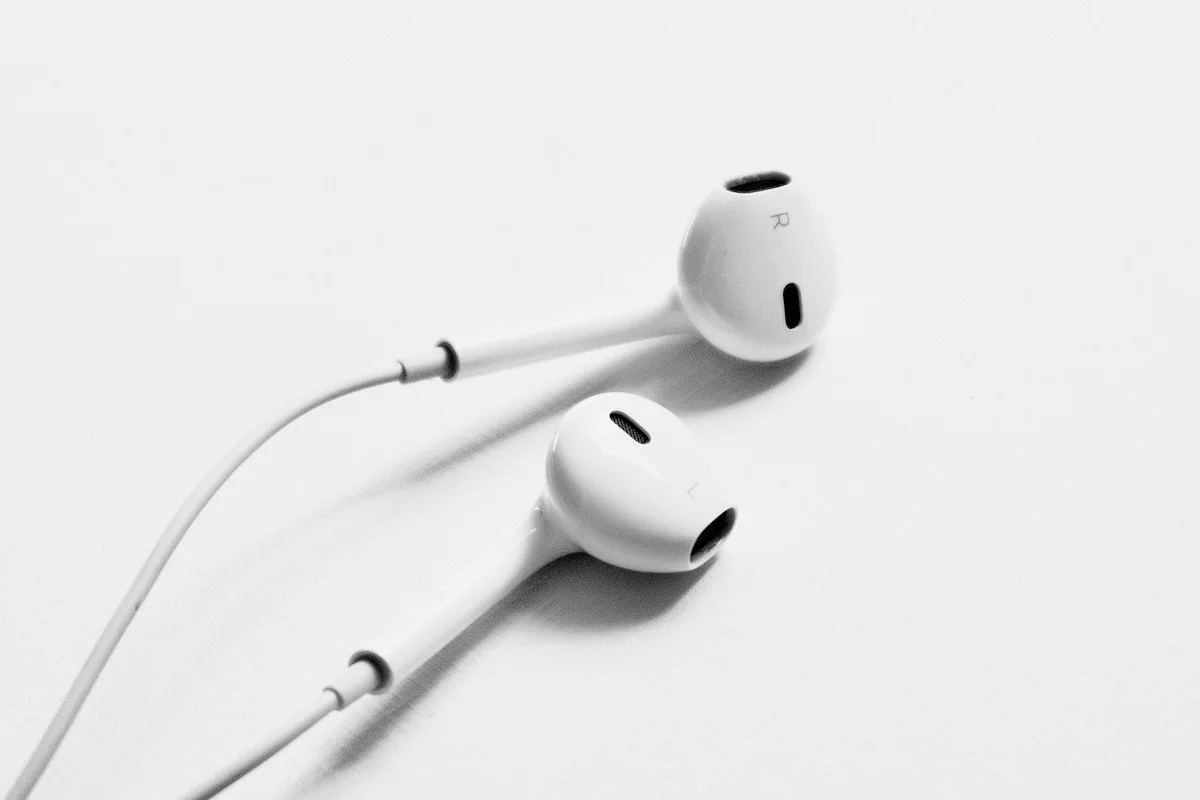
Sony’s headphone catalog and Apple’s AirPods page offer official comparisons, but check the exact model’s connection and battery documentation before buying. Compare one pair that fits frequent travel and one lower-cost option suitable for occasional trips. Include the case, any cable, and any adapter in the total. Keep ordinary backup earbuds if they already work with the entertainment connection. The best value is the setup you can pack confidently, use comfortably, and put away quickly when the cabin crew needs your attention.
Rehearse before leaving home
A few days before departure, place the headphones, cables, and adapters in the bag you will actually carry. Play a downloaded video without a network connection, practice switching listening modes, and find every small accessory without emptying the bag. If you plan to use a cable, test that connection on a compatible source in advance. This rehearsal cannot guarantee the aircraft equipment, but it can reveal a forgotten adapter or unfamiliar control. Charge according to the manufacturer’s guidance and leave time to resolve any obvious problem before travel day.
Explore the options
Compare the exact model, included accessories, return policy, and current price before buying. These links open official brand websites.
Sony headphones
Compare fit, controls, and noise-control options across the current range.
Tradeoff: Features vary by model; verify the exact listing before ordering.
Explore Sony headphones ↗Apple AirPods
Compare models if you use an iPhone and value device integration.
Tradeoff: Feature availability depends on the model, connected device, and software.
Explore Apple AirPods ↗Sources & further reading
Primary references consulted October 30, 2026. Product ranges and availability can change.
Cover photography illustrates an everyday setting and may show equipment other than the examples discussed. Read our methodology.