
Create accessible charging spots and tidy cable routes without turning maintenance into a project.
Organize around the next person using it
The living-room charging cable disappears behind the sofa, somebody borrows the desk lead, and a headset wire catches on a drawer. These are small interruptions, but they repeat. A useful cable arrangement makes the next connection easy and keeps routine cleaning possible. Begin by observing which devices charge in each room and who uses them. Avoid buying a large accessory kit first. One well-positioned cable holder or a dedicated charging spot may solve the real problem with less furniture modification and less equipment to maintain.
Remove mystery before adding organizers
Disconnect equipment only when it is safe to do so, then identify each cable at both ends. Separate current equipment from obsolete leads, broken accessories, and duplicates that have no planned role. Keep specialist cables clearly labeled, especially when a similar-looking lead does not offer the same data, display, or power capability. Inspect for damaged insulation, bent connectors, or other wear and stop using questionable items. Sorting first prevents you from spending time concealing a cable that should have been removed or discovering later that an important connection was tucked into the wrong bundle.
Give charging a predictable home
Choose a location where phones and headphones can rest without blocking a walkway or falling behind furniture. Consider who needs access: a child, a visitor, or someone arriving home late should not need to unplug another person's work setup. Use a compatible charger and leave enough cable reach for the device's resting position. A holder can keep an unplugged end within reach, but make sure it does not pinch the cable. Label unusual connectors where helpful. Keep liquids away and avoid placing a charging station where a water bottle or kitchen spill is likely to reach it.
Plan movement before fastening anything
Open drawers, move the chair, and raise or lower a standing desk through its full range before deciding cable length. Leave enough slack for normal movement without creating a loop that catches feet or chair wheels. Route cables away from sharp edges and door hinges. Reusable ties are useful when you expect equipment to change because you can reopen them without cutting close to insulation. Do not fasten cables so tightly that connectors carry the strain. A tidy route should reduce stress on the equipment, not merely create a straight line for a photograph.
Keep power equipment accessible
A tray or box can reduce visual clutter, but it must suit the equipment and follow the relevant instructions. Do not bury warm adapters in fabric or tightly pack them into an enclosure without considering ventilation. Keep switches and plugs reachable so you can disconnect equipment when necessary. Avoid linking power strips together or improvising a route that exceeds electrical ratings. If the room lacks a safe practical outlet arrangement, seek appropriate electrical advice rather than treating a longer chain of accessories as cable management. Appearance should follow a usable, inspectable connection plan.
Buy the smallest set that fits
Measure desk thickness, underside clearance, and the route from outlet to devices. IKEA's cable-management collection includes several styles, so choose by the furniture and maintenance needs rather than by matching every item. Adhesive clips may suit a temporary setup but can fail or affect finishes; read their mounting instructions. A tray may interfere with a drawer or sit where knees need space. Test the layout before making permanent holes, and check any rental restrictions. Keep a few ties available for changes, but skip a large bundle of accessories with no assigned use.
Questions before ordering organizers
Should every cable be hidden? No. A frequently swapped headphone or phone cable may work better when it remains visible and accessible. Conceal the route only as far as doing so improves use.
Can one charging spot serve everyone? It can if there are enough suitable ports and space, but confirm the charger's shared-power behavior before expecting several demanding devices to charge together.
How do I keep the result tidy? Revisit the arrangement when equipment changes, remove unused leads, and keep a simple label on connections that are hard to trace. An arrangement that takes seconds to understand is easier for a shared household to maintain than one that requires remembering a complicated system.
Explore the options
Compare the exact model, included accessories, return policy, and current price before buying. These links open official brand websites.
IKEA cable management collection
Compare holders, trays, and organizers after measuring your furniture.
Tradeoff: Mounting methods, ventilation, and desk clearance need a separate check.
Explore IKEA cable management collection ↗Sources & further reading
Primary references consulted October 30, 2026. Product ranges and availability can change.
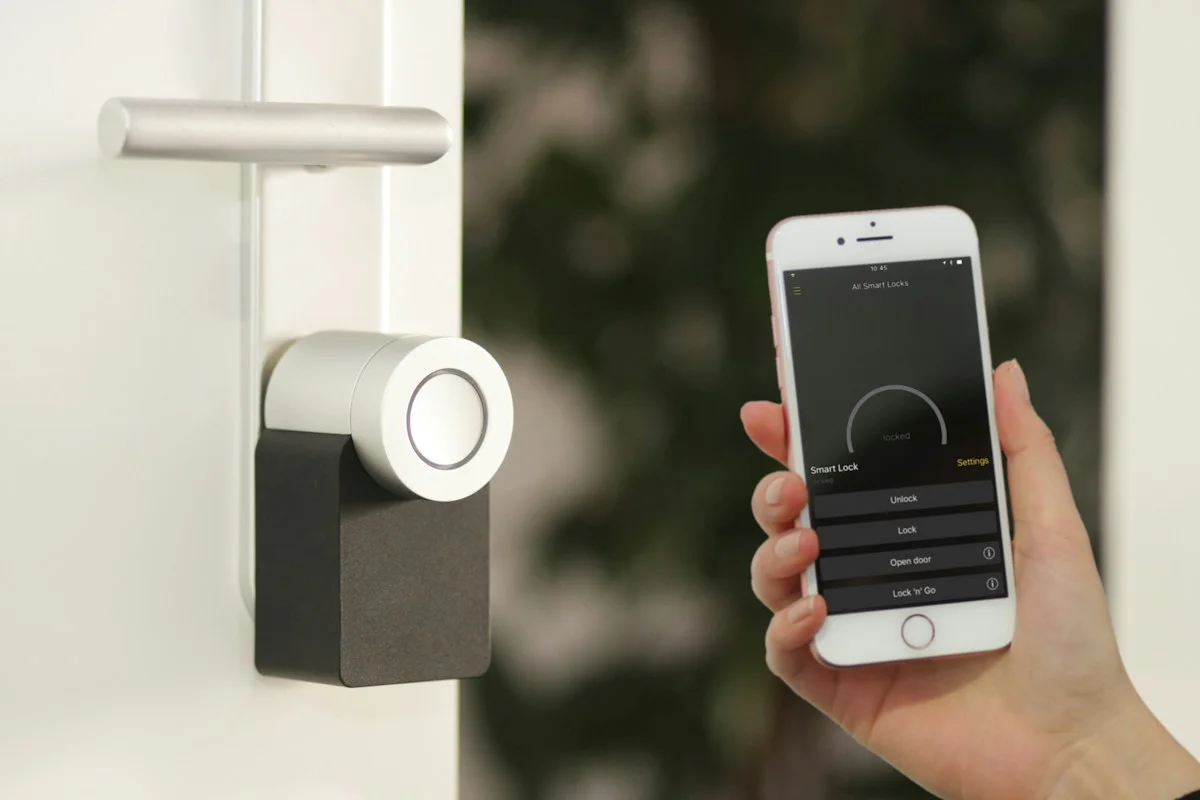
Cover photography illustrates an everyday setting and may show equipment other than the examples discussed. Read our methodology.